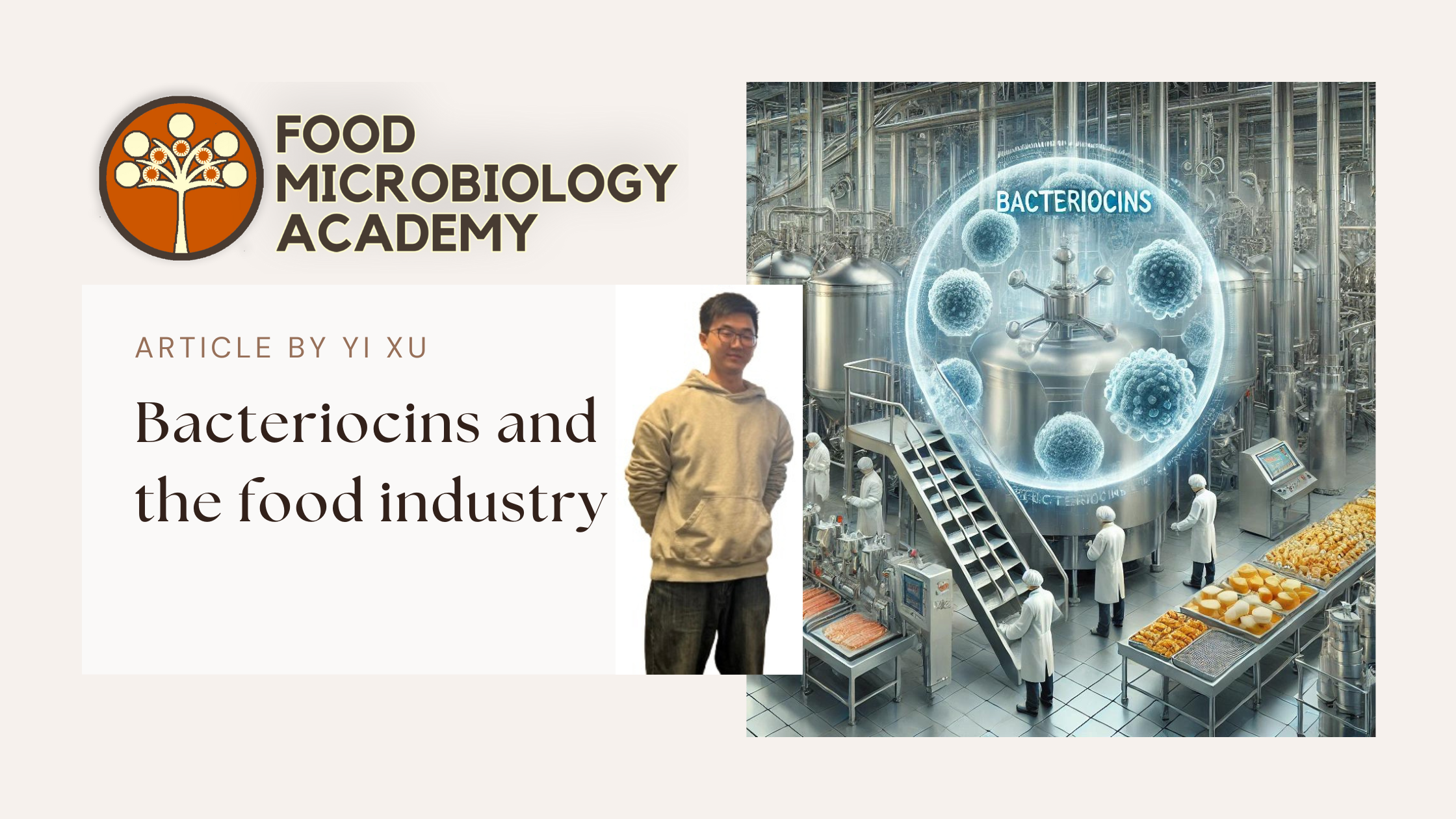
Yi Xu was an industry experience internship student with us between July 22 and August 16. During this time, Yi focused on compiling a series of mini blog articles of around 400 to 500 words. These are more technical than some of our standard blog articles which tend to be in the 800 to 900 word range, and have an intended audience of technical, operations and research/development staff from food manufacturing businesses. Like Tracy Chen, Yi is a 3rd-year Pharmaceutical Science student from the Monash University Faculty of Pharmacy and Pharmaceutical Sciences at the Parkville campus. This is Yi’s first blog article, on bacteriocins, where he sets the scene for what’s to come. In today’s food industry, ensuring the safety and quality of food products is paramount. One of the natural tools at our disposal to achieve this is the use of bacteriocins. But what exactly are bacteriocins, and why are they important in food production? What Are Bacteriocins? Bacteriocins are a type of protein produced by bacteria that can kill or inhibit the growth of other bacteria. They are different from traditional antibiotics because they are generally effective only against specific bacteria, often closely related species. This specificity makes bacteriocins a valuable asset in the food industry, where the goal is to target harmful bacteria without affecting the beneficial ones. How Bacteriocins Work Bacteriocins work by interfering with the cell membranes of target bacteria, leading to the breakdown of the membrane and ultimately the death of the bacterial cell. Some bacteriocins can also inhibit protein synthesis or degrade the DNA of the target bacteria, ensuring that harmful bacteria are effectively neutralized. Applications in Food Safety The most well-known bacteriocin in the food industry is nisin, which has been used as a preservative in various foods since the 1950s. Nisin is effective against a range of harmful bacteria, including Listeria monocytogenes, a common pathogen that can be difficult to control in food products. The U.S. FDA approved nisin for use in pasteurized processed cheese spreads in 1988, setting a precedent for the use of bacteriocins as food additives. Bacteriocins like nisin are particularly useful in ready-to-eat foods, dairy products, and fermented foods, where they help extend shelf life and reduce the risk of foodborne illness without compromising the food’s flavor or nutritional value. Their natural origin and targeted action also align with the growing consumer demand for clean-label products—foods with fewer synthetic additives and preservatives. The Advantages of Bacteriocins One of the major benefits of using bacteriocins in food production is their safety profile. Since they are proteins, they are generally recognized as safe (GRAS) by regulatory agencies, and they are rapidly digested by enzymes in the human digestive system. This means that they do not accumulate in the body or pose a risk of developing antibiotic resistance, a significant concern with traditional antibiotics. Additionally, bacteriocins are environmentally friendly. They can be produced by naturally occurring bacteria, such as lactic acid bacteria (LAB), which are already widely used in food fermentation processes. This makes the production and application of bacteriocins a sustainable practice within the food industry. Conclusion Bacteriocins are a powerful tool in the food industry’s arsenal against harmful bacteria. Their natural origin, specificity, and safety make them ideal for use in a wide range of food products. As we continue to refine their application and discover new bacteriocins, these remarkable proteins will undoubtedly contribute to a safer and more sustainable food supply.